Milky Lane bets on dining experience to fuel Australia expansion
The burger chain says cocktails and entertainment are driving its growth strategy.
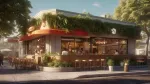
Milky Lane Holding Pty Ltd. is expanding across Australia by positioning itself as a night-out destination rather than a traditional burger chain, as it plans to grow from nine restaurants to 35 under a national franchise expansion.
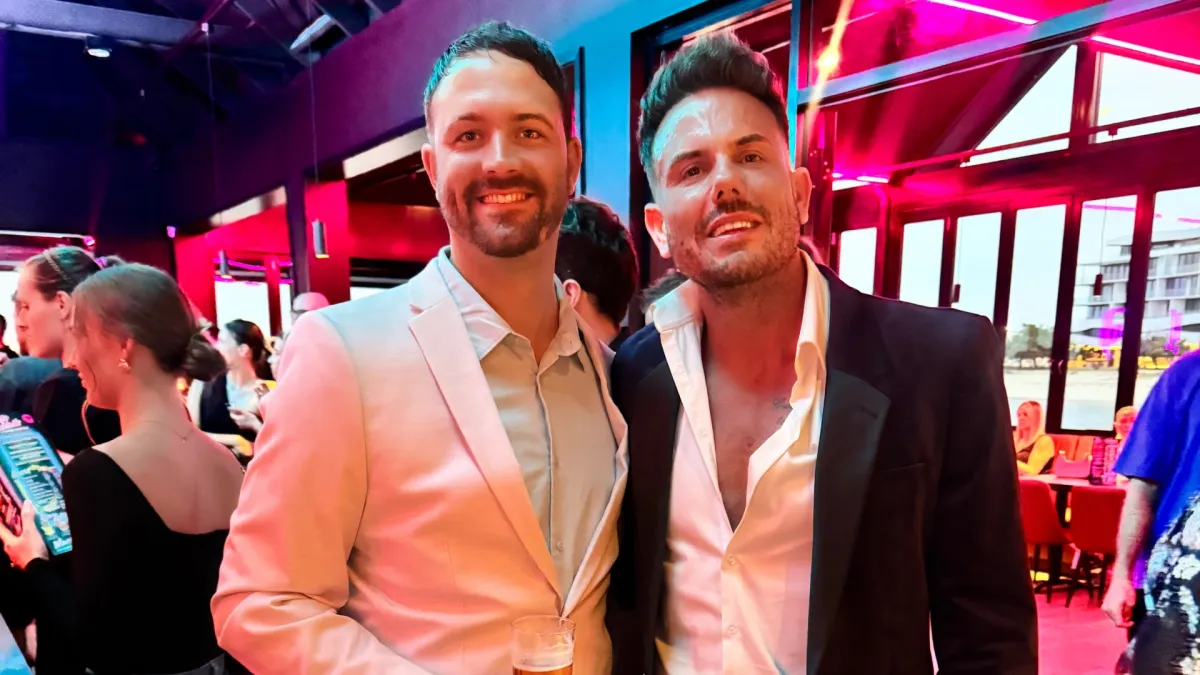
“People go to Betty’s for a burger. It’s a good burger. People go to Grill’d for a burger. It’s a good burger,” Christian Avant, co-founder of Milky Lane, told QSR Media. “But you don’t go there for a night out. You don’t call your friends and say, ‘Let’s go to Grill’d for a few drinks.’”
The expansion follows a master franchise agreement with Royale Hospitality Group Pty Ltd announced in June, valuing the business at more than $100m. The next restaurants are planned for Toowoomba and the Sunshine Coast, followed by Victoria, whilst the brand also intends to return to Sydney after exiting the market in 2021.
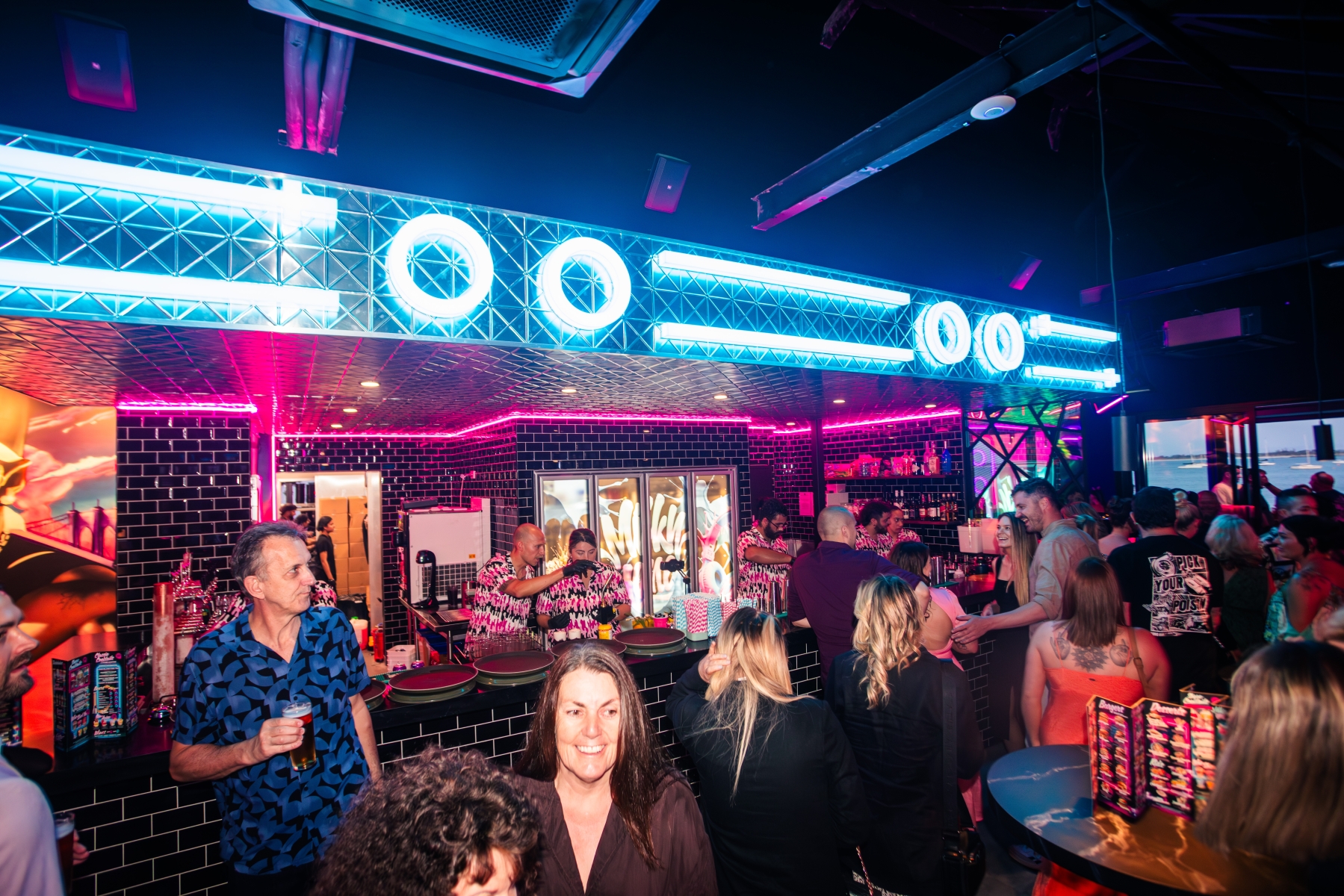
Rather than competing solely on food, Milky Lane is designed around a 90-minute to two-hour dining experience.
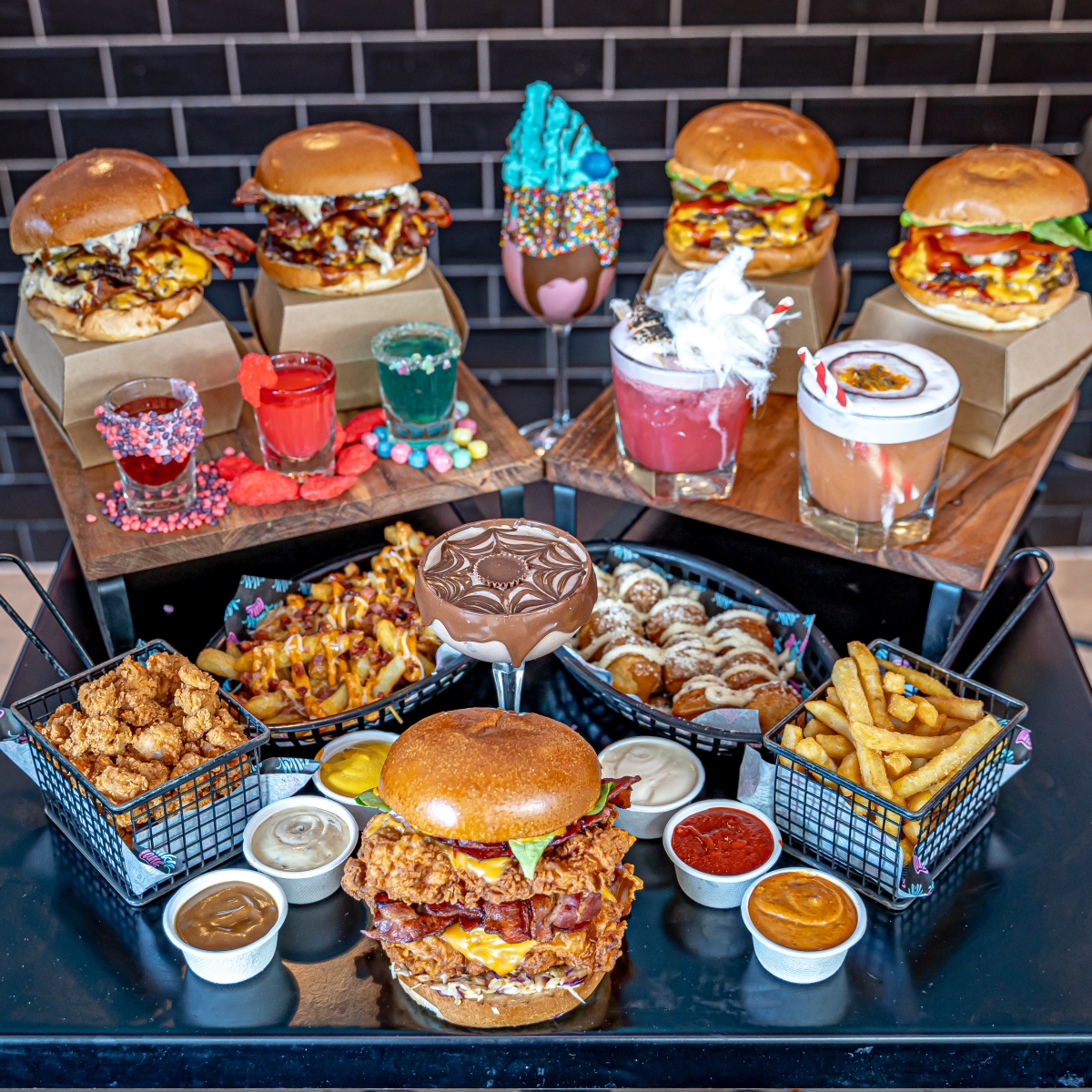
Cocktails, 2000s hip-hop and R&B music, themed interiors, staff interactions, and theatrical food and drink presentations are intended to encourage customers to treat the restaurant as part of a night out.
That approach has also reshaped the company's revenue mix. Burgers account for about 40% of sales, whilst cocktails contribute 55%, with the remainder generated by other menu items.
The strategy reflects broader changes in Australia's restaurant industry. A January 2026 report by Analytical Systems Pty Ltd, which operates OpenTable Australia, found experiential dining has increased 50% this year, whilst one in four Australians said they wanted more immersive dining experiences.
Avant said cost-of-living pressures have made diners more selective about where they spend their money, increasing demand for experiences that justify the bill rather than purely transactional meals.
Royale Hospitality director Ray Strauss said the business has reached a stage where expansion could accelerate because suitable sites, construction capacity, and franchise support systems are already in place.
Some restaurants will be company-owned, whilst others will be operated by franchisees.
Strauss said the company is targeting individual restaurant profitability of at least 12% to 15% of revenue.
The strongest-performing locations have recovered their initial investment within six to 12 months, although the broader network targets a return on investment within two to two-and-a-half years.
Site selection has also become easier as the brand has grown.
Avant estimated Milky Lane now gets 10 to 15 site proposals every week, with many landlords approaching the company before properties are publicly marketed.
Avant said the audience helps demonstrate demand before a restaurant opens. When a location is secured, the company begins targeted social media campaigns in the surrounding area to build anticipation amongst potential customers and franchisees.
Strauss said practical considerations remain important despite the brand's entertainment-led positioning. Parking is a priority when evaluating locations, and the company is focusing on areas where families and younger consumers are likely to embrace the concept.
The company is also looking beyond major cities. Strauss said several regional markets have demographic profiles that fit the brand well and offer room for expansion.
Drive-through restaurants, however, are not part of Milky Lane's strategy. Unlike many quick-service restaurant chains investing heavily in drive-through formats, the company wants customers to stay rather than leave quickly.
For Milky Lane, the opportunity lies not in serving the fastest burger, but in convincing Australians that a burger restaurant can also be a destination for drinks, entertainment, and an evening with friends.