San San weighs franchising as store expansion hits funding limits
The sandwich chain targets 15–20 outlets as fit-out costs rise.
Gourmet sandwich chain San San is considering franchising as a way to fund expansion after self-financed growth begins to strain capital.
“We want to open more stores, but we don’t have the funds,” co-founder Jonathan Massaad told QSR Media via Zoom. “I see potential in franchising—not right now, but I wouldn't be surprised if, in the next year or two, we end up going down that path.”
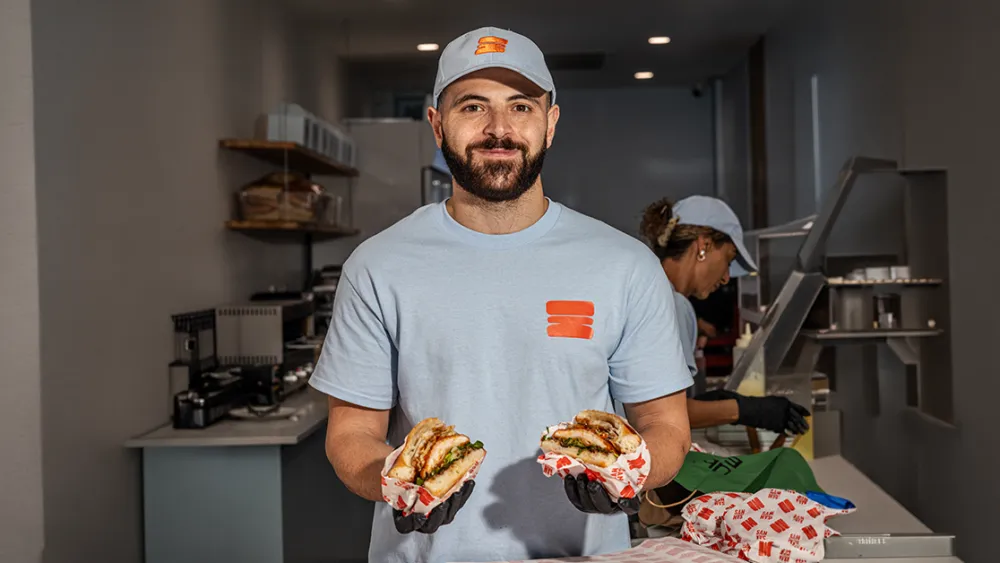
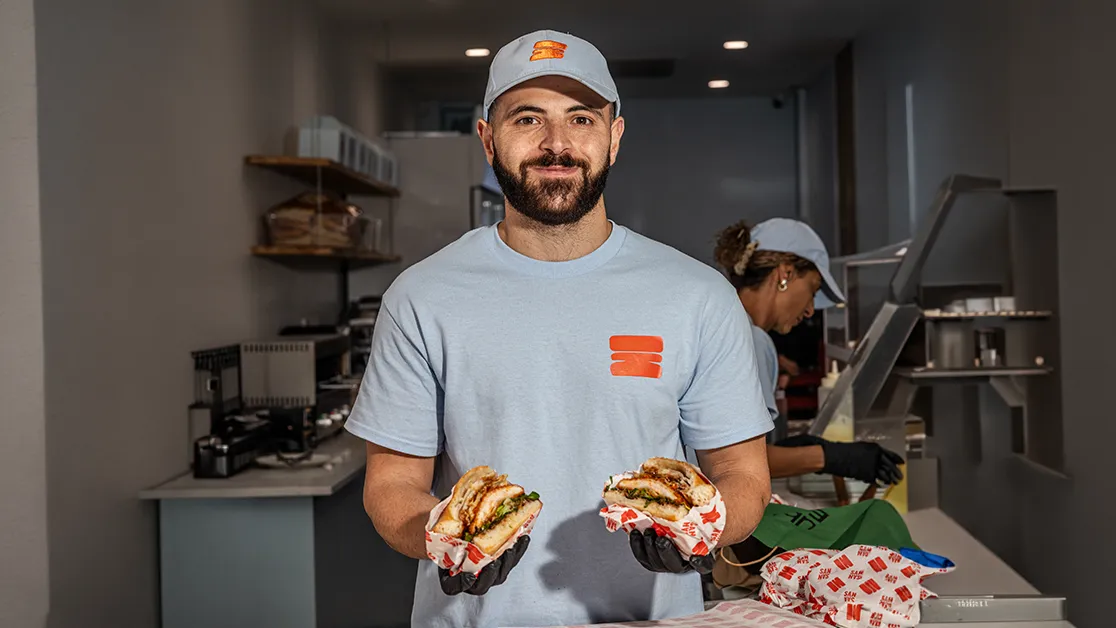
The three-store operator has expanded from a single suburban outlet to a small network in just over a year, with its latest store opening last weekend.
Massaad said franchising was previously rejected due to concerns over quality control but is now being reconsidered as a funding option to support faster expansion.
Until now, growth has been funded through store cash flow. Early outlets were built for under $100,000, but newer locations now cost closer to $500,000 as the brand moves into higher-traffic sites.
“We can’t keep self-funding at this pace,” he said. “For future stores, we’re probably going to have to look at a business loan or something like that.”
The Sydney-based sandwich chain initially focused on suburban and mixed-use locations but is now targeting commuter-heavy sites such as hospitals, schools, train stations, and office clusters.
“We realised we need high foot traffic,” Massaad said. “People commuting for work, school, university—that’s what we’re looking for now.”
The shift has also improved interest from landlords and mall operators. “They realise the foot traffic we bring,” he said.
As expansion accelerates, the company is tightening operations to reduce reliance on individual staff performance.
“The problem always becomes staff,” Massaad said. “If you don’t have good staff, you don’t really have a good business.”
To address this, San San has simplified preparation processes and introduced standardised systems, including marked chopping boards to ensure consistent sandwich assembly.
“Now we have a chopping board with markings. You just cut and trace—it makes the product consistent and easier to execute.”
The chain plans to open a fourth store this year, with at least two more targeted for 2027.
Massaad said the medium-term goal is a network of 15 to 20 stores, with franchising likely to determine how quickly that target is reached.