QSR brands expand breakfast as operators test demand
Brands are adapting menus, service, and channels to win repeat morning visits without shifting sales from other dayparts.
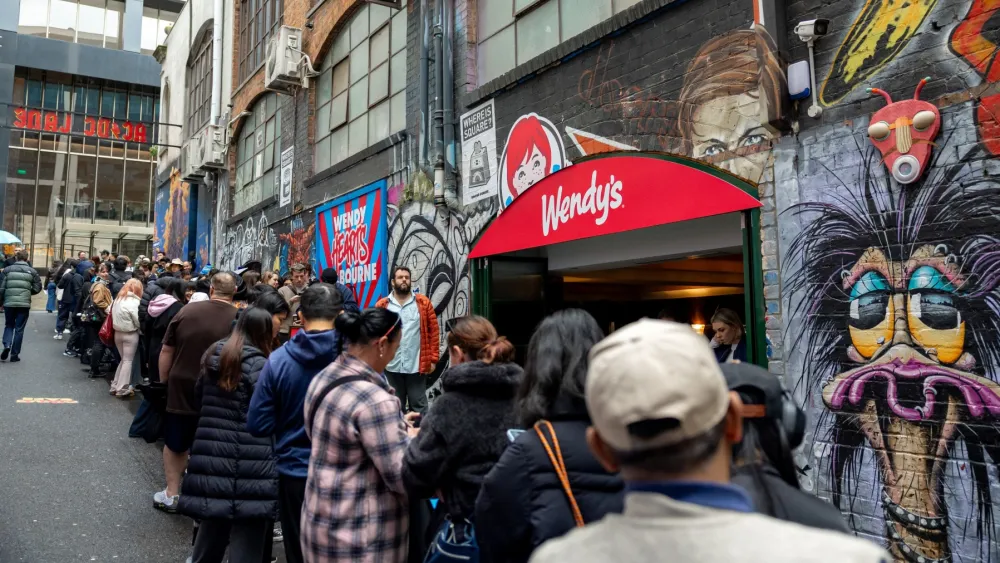
Australian QSR brands are expanding into breakfast as operators seek new sales during previously underused morning hours, but the commercial test is whether the daypart creates additional spending rather than redistributes existing demand.
Breakfast incidence rose above 8% in the year to June 2026. Ben Dixon, CEO of Fonto, said brands must measure whether morning sales grow the category or merely pull transactions from lunch and dinner.
“You’ve got to demonstrably increase your total spending across customers,” he said.
Betty’s Burgers is seeing demand from shift workers buying burgers at 9am, commuters stopping for coffee and customers placing lunch orders for later collection. Geoff Bannister, Regional Manager NSW & ACT, Betty’s Burgers, said the expansion has also lifted trade during hours when restaurants were previously closed.
The customer profile differs from common assumptions. Fonto data shows that men aged over 50 account for 60% of QSR breakfast orders, whilst 20% of customers generate 60% of total category volume.
Operators must also offer more than coffee. “The reality is that 80% of all orders that happen in this breakfast time slot actually also include food, and 40% of those actually include a soft drink as well,” Dixon said.
Breakfast requires changes to staffing, service and restaurant atmosphere. Bannister said morning visits are more habitual than lunch or dinner occasions.
“It’s not a once or a twice a week transaction. It’s a ritual,” he said.
Competition will increasingly extend across takeaway, delivery and drive-through channels as brands try to connect breakfast with later purchases.
For operators, the next phase will be decided by whether they can build repeat morning behaviour, execute a broader menu and take share from cafés and bakeries without weakening established dayparts.

















































Commentary
The customer habits you build in a ‘Goldilocks’ market set the tone for what comes next