Technology drives global QSR growth as brands embed digital into core operations
Digital infrastructure is reshaping how global QSR chains scale, price and protect margins.
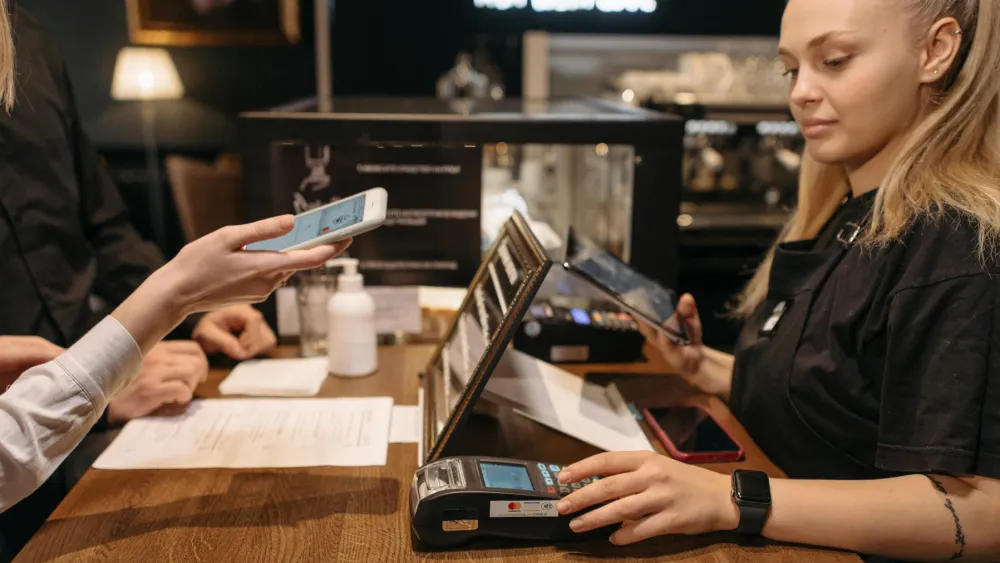
Digital ordering, AI-powered personalisation and data-driven menu management have shifted from support functions to the primary architecture of growth and margin protection across the global quick-service restaurant sector, according to a DBS research note.
DBS said the sector is demonstrating structural resilience unlike prior cycles, with major chains now embedding digital efficiency into their core operations. Digital ordering platforms are no longer ancillary sales channels but central to performance through data-driven upselling and dynamic menu management. Beverage innovation has also emerged as an increasingly important growth pillar, driving incremental standalone visits beyond the traditional add-on role.
The report said QSR continues to command approximately 45% revenue share and the fastest growth trajectory across the fast-food market, as technology enables operators to scale without proportional cost inflation.
Capital deployment is shifting accordingly. McDonald's has adopted a more measured expansion strategy, prioritising digital and operational readiness over near-term store growth, extending its 50,000-restaurant target to 2028. Starbucks' US$1b restructuring programme reflects a redeployment of capital into digital infrastructure, employee training and store technology.
Yum China is accelerating capital-light formats including KFC's KCOFFEE Café and KPRO light-meal concepts, alongside Pizza Hut's Burger Bar, to target specific consumption occasions while keeping capital intensity minimal.
On execution, McDonald's announced a global retraining initiative covering more than two million restaurant crew members, corporate employees and supplier partners to synchronise taste, quality and service protocols across the system. The move follows softer-than-expected US comparable sales growth of 0.8% year-on-year in the second quarter of 2026, which DBS attributed to softer guest counts, an overcrowded promotional calendar and inconsistent franchisee adherence to value menus.
Yum China reached an agreement to take full ownership of the Pizza Hut brand in China, eliminating a 3% royalty headwind and aligning Pizza Hut's economic structure more closely with KFC's operating model.
Luckin Coffee posted a self-operated same-store sales decline of 5.3% year-on-year against high comparison bases from prior-year food delivery subsidies, while total net revenues surged 28.5% and core operating income rose 22%, driven by rapid store expansion and its digital delivery ecosystem.
DBS said technology in this environment functions not merely as a cost container but as the essential framework through which operators convert traffic into profitable, repeatable transactions.