Digital ordering, menu innovation to drive fast food growth
Technology, Asian cuisine and portfolio reshuffles are reshaping competition through 2031.
Digital ordering, automation and changing consumer preferences are reshaping competition in the global fast food industry, with operators increasingly investing in technology, menu innovation and portfolio optimisation to support long-term growth, according to Mordor Intelligence.
The research firm expects the global fast food market to grow at a 7.62% compound annual growth rate (CAGR) between 2026 and 2031 reaching US$2.57t, driven by consumers spending more on convenient meal options and restaurant chains improving speed and customer engagement through digital tools.
Mordor Intelligence said technologies such as QR-code menus, mobile payments and AI-assisted ordering are becoming more common as operators seek to shorten transaction times and manage peak-hour demand more efficiently.
The trend extends beyond ordering. Domino's updated its Tracker in March with an AI-powered system designed to provide more accurate ready-time estimates and greater order visibility for customers. The company said the platform has processed more than 2.5 billion orders since its launch in 2008.
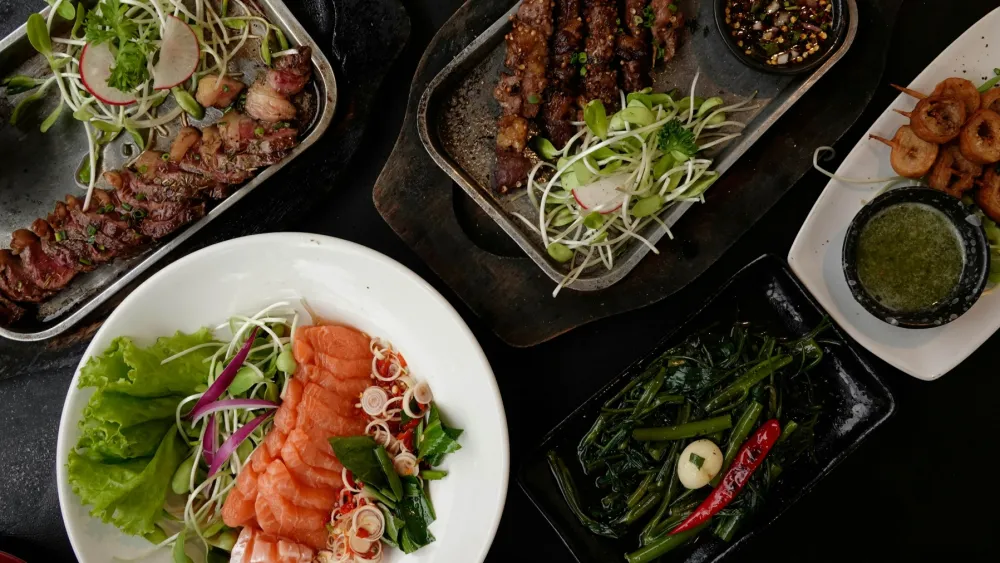
The report also highlighted growing demand for Asian cuisines, particularly amongst younger consumers seeking greater menu variety, prompting operators to expand offerings and tailor menus to local tastes.
At the same time, fast-casual brands are increasing competitive pressure on traditional quick-service restaurants by combining speed with a stronger focus on food quality and customer experience, pushing established chains to balance operational efficiency with menu innovation and value.
Mordor Intelligence said the industry's fragmented structure is also driving operators to reassess brand portfolios, restaurant footprints and capital allocation as they prioritise concepts with stronger growth prospects.
As an example, Yum! Brands completed the sale of its Pizza Hut business in September for approximately $2.7b through transactions with LongRange Capital and Yum China, describing the divestiture as part of its strategy to become a more focused organisation.