Soul Origin turns to customer data as sales figures mask falling visits
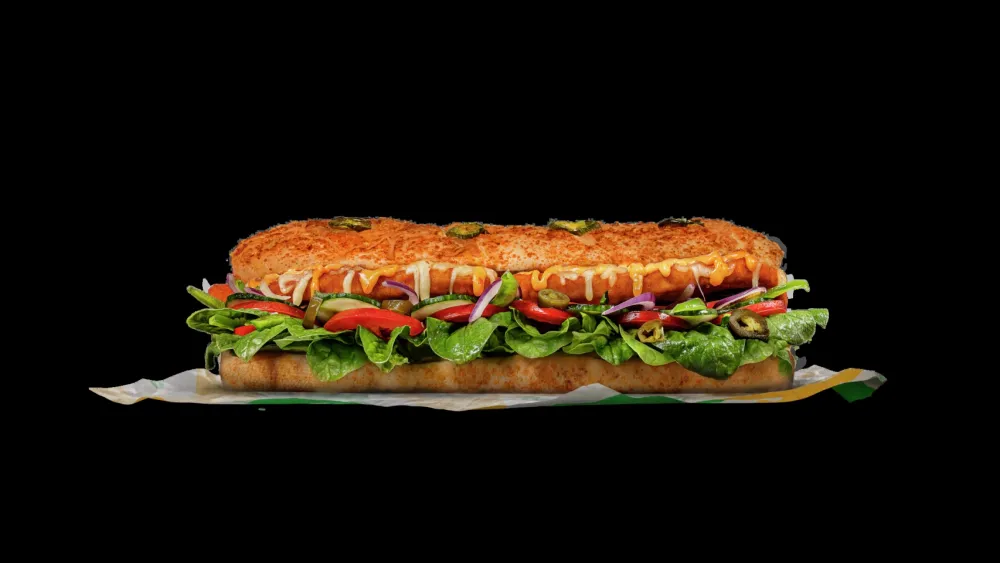
Its Tiger Buns campaign generated $4.92m from 393,960 Tiger Buns sold during the period.
Soul Origin is using loyalty data and artificial intelligence (AI) to track customer visits and test products before launch, as the Australian food chain seeks to identify declines in customer numbers that revenue growth alone might conceal.
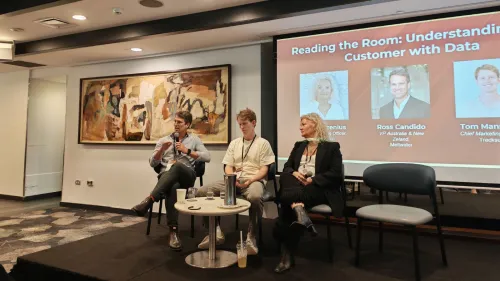
“Customer count is the heartbeat of a quick-service restaurant (QSR) business,” Petra Orrenius, chief marketing officer at Soul Origin, told QSR Media.
“A top-line number tells you what happened,” she said in an emailed reply to questions. “The opportunity is to use customer data to understand why it happened and what you should do next.”
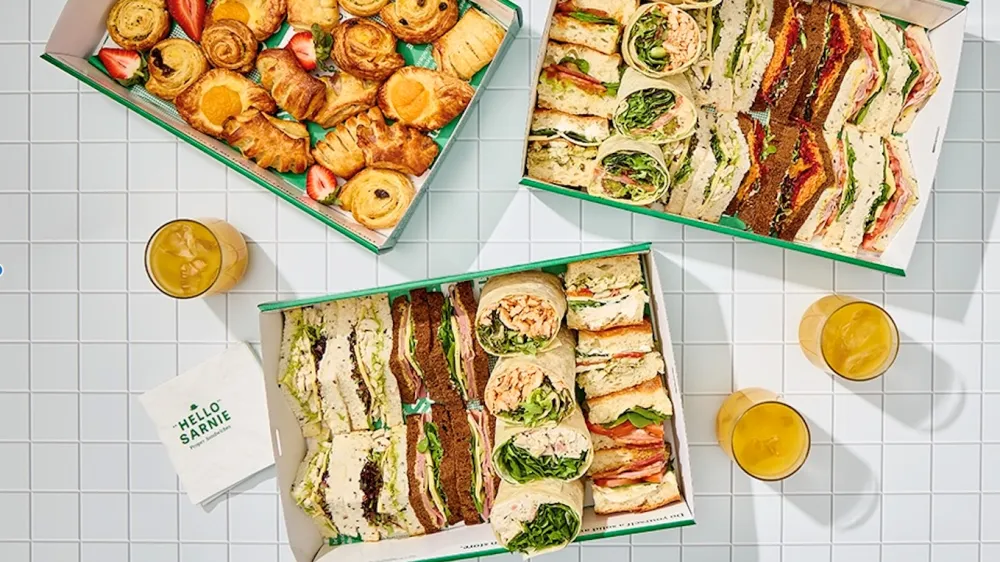
The company, known for its freshly prepared salads, sandwiches, wraps, and barista-made coffee, is combining loyalty records and shopping behaviour with AI-assisted research to create simulated customer profiles, allowing it to examine different buying habits, customer needs, and reasons for visiting stores.
Soul Origin is also using Heatseeker, its AI-driven customer research tool, to test products, concepts, and marketing ideas before committing to wider launches.
This allows the company to examine whether customers are visiting more frequently, returning after their first purchase, switching to competitors, or stopping their visits altogether.
Its loyalty programme and app provide data on purchase frequency, repeat visits, inactive customers, and customer spending over time.
Orrenius said Soul Origin wants to target customers with timely promotions based on when they are likely to buy, from morning coffee and lunch between meetings to afternoon snacks.
Soul Origin is rolling out its Hidden Gems—bite-sized potato tots—across more than 170 restaurants after strong drive-through sales, whilst its iced drinks now account for as much as 5% of category sales and have attracted more customers.
Soul Origin is also developing more substantial food options for later in the day, including higher-protein products, warm meals, and snacks.
Soul Origin’s Tiger Buns campaign focused on a single product, target audience, and message over an extended promotional period, using customer research to guide marketing spending.
The campaign sold an average of 26.8 per store daily, exceeding its target by 49%. It generated $4,924,500 in total sales from 393,960 Tiger Buns.
The share of purchases that included a meal combo rose to 25% from 17%, whilst sales across the wider bread category increased 6%.
The campaign reached more than 9 million people, generated over 10 million video views and 37,000 engagements, and recorded 95% positive social sentiment.
Orrenius said brand awareness reached a three-year high, driven by growth amongst consumers aged 18 to 44.
Soul Origin plans to focus its 2027 investment on customer research, targeted digital marketing, loyalty, and attracting more customers around its existing stores.
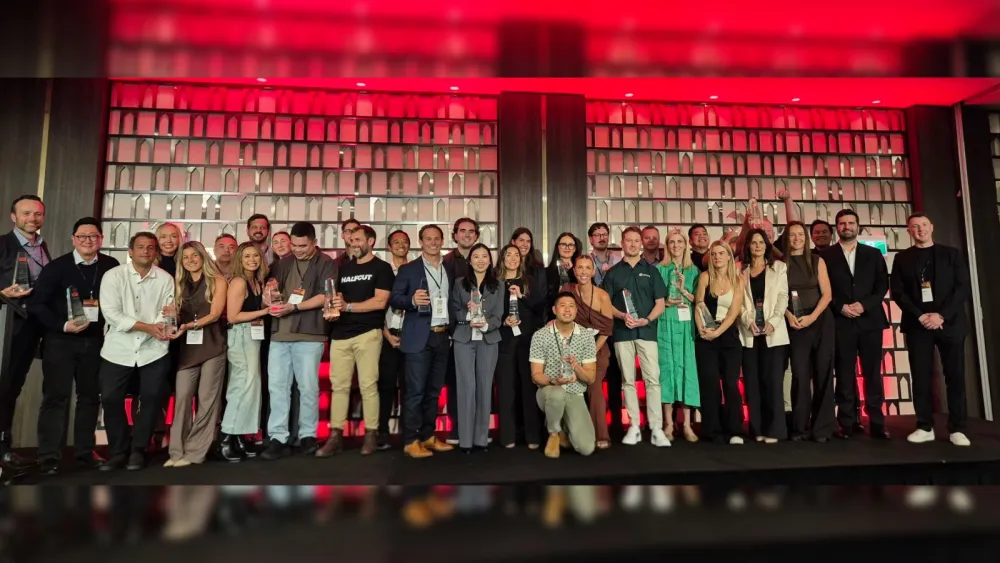
“The future of QSR isn't simply breakfast, lunch, and dinner,” said Orrenius, who will be attending the QSR Media Conference & Awards 2026 powered by Red Bull in Sydney on 12 October. “It is understanding when, why, and what customers need from you throughout their day.”