Wendy’s bets on local tastes and service to grow in Australia
Chain plans to expand its Australian network to 20 restaurants by the end of next year.
Wendy’s is adapting its menu, branding, and customer experience to suit Australian consumers as it seeks to expand its presence in the country’s competitive quick-service restaurant market, said Richard Wallis, president for Asia-Pacific at Flynn Group.
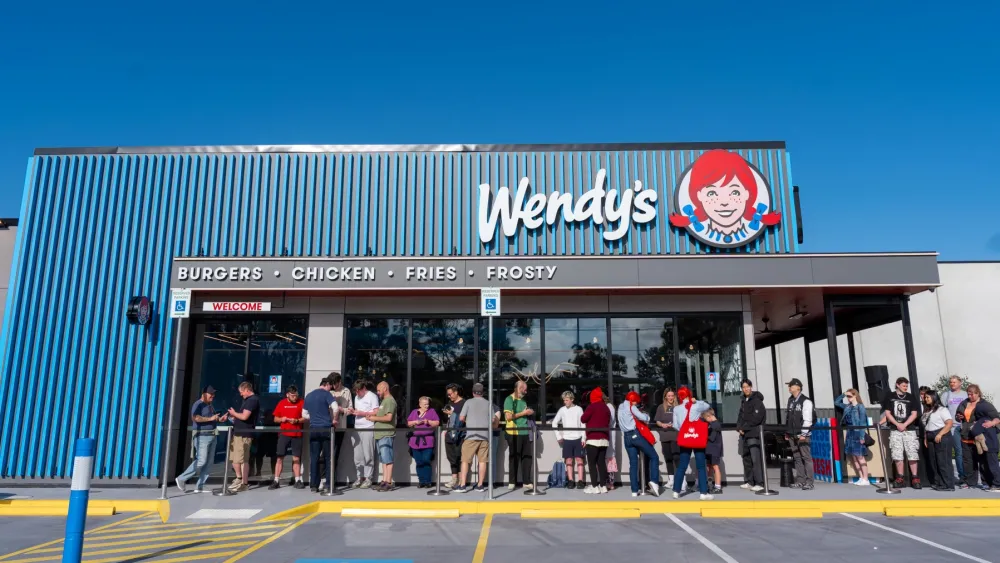
The chain has opened three restaurants in Australia, in the Gold Coast, Brisbane and Dandenong. Each opening has helped the company refine its approach to the market, where Wallis said consumers have high expectations.
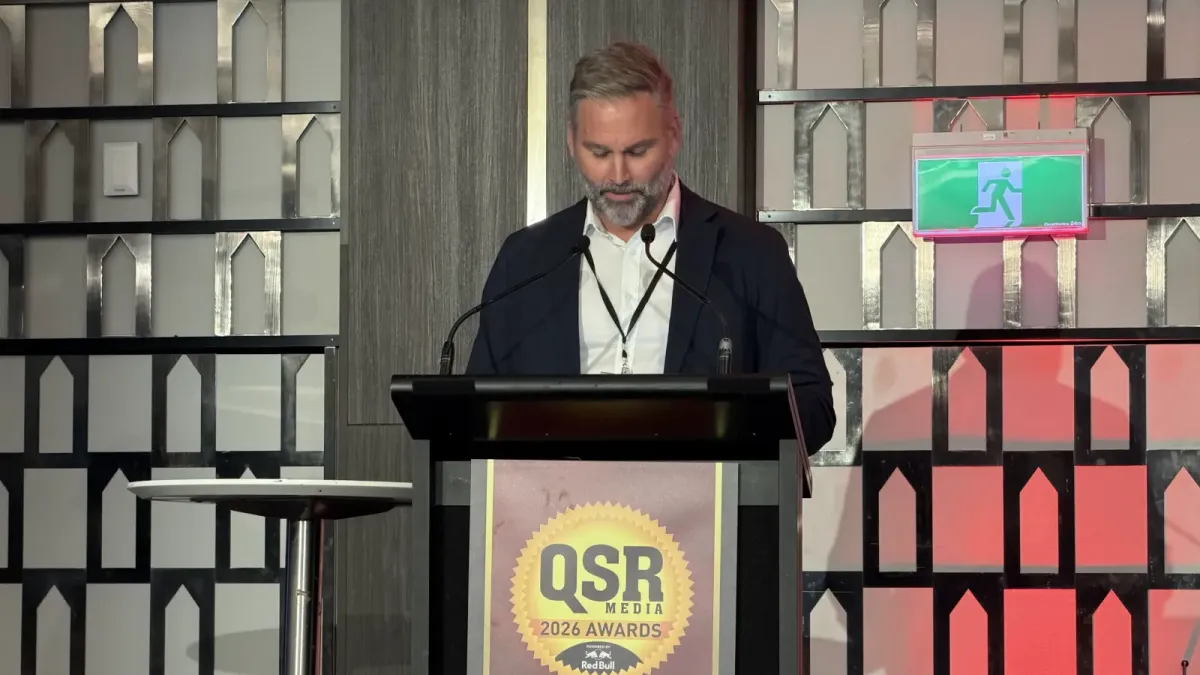
“This is one of the most competitive QSR markets in the world,” he told QSR Media Conference & Awards 2026. “Australians are discerning. They’re impatient. They also have a low tolerance for mediocrity.”
Rather than replicate its US operations, Wendy’s has made changes to its branding, menu, and restaurant experience to establish a distinct identity in Australia.
The company introduced blue branding, which Wallis said was a first for Wendy’s globally, and opted to use its cameo rather than the full wordmark to create a more contemporary look.
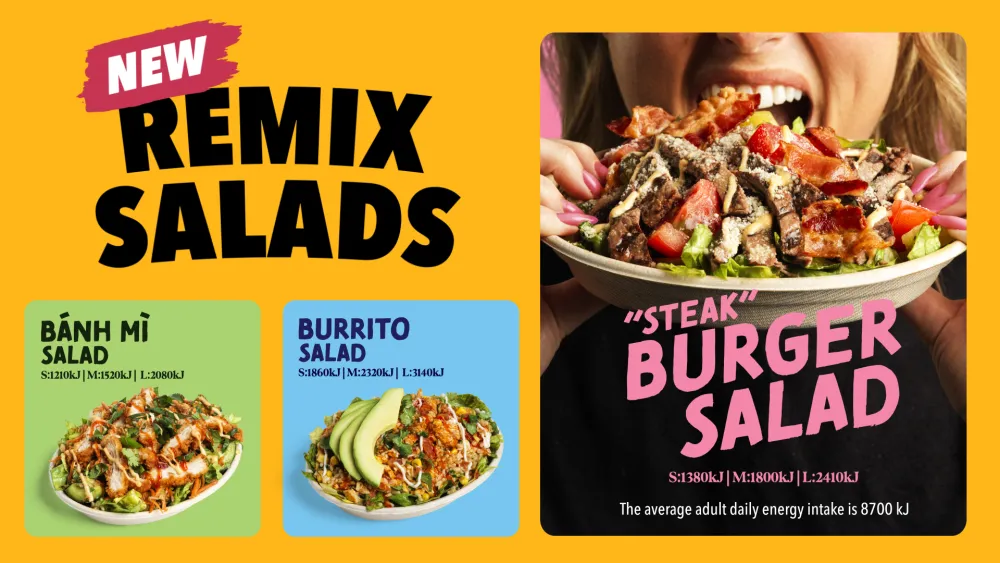
Its Australian menu is also deliberately simple, featuring beef burgers in large and small sizes, hand-breaded chicken, crispy bacon, Frostys, fries, and chilli.
Wallis said the approach received strong support when Wendy’s opened its first Australian restaurant on the Gold Coast, which recorded the biggest single opening day in the brand’s global history at the time.
The company subsequently opened the House of Wendy’s in Brisbane, which surpassed the Gold Coast restaurant’s opening-day performance and recorded the biggest opening week globally for Wendy’s, he said.
The Dandenong opening drew on Melbourne’s laneways and food culture. It also introduced face-to-face ordering at the drive-through, replacing the usual speaker box.
The approach was well received, with front-of-house sales accounting for 50% of sales, despite the site being designed around an expectation that 70% would come through the drive-through.
“Speed doesn't matter as much. People actually would rather have a conversation, so you actually get this relationship that starts with the customer,” Wallis said.
The company has also found that in-store dining plays a larger role than initially expected.
About 50% of its sales come from front-of-house transactions, despite the restaurants having drive-through facilities, Wallis said.
The sites had been designed with the expectation that drive-throughs would account for 70% of sales.
However, attracting customers during a launch is only the first step, he said. Wendy’s must also deliver consistent food quality and service to encourage repeat visits.
“A great launch doesn’t actually equate to a great ongoing business model,” Wallis said.
He added that marketing and restaurant operations must work closely together to sustain demand.
“If we are to be an experience-led brand, it’s about what the operations team deliver every single day to get it to work,” he said.
Wendy’s plans to increase its Australian restaurant count from three to 20 by the end of 2027, with four more openings planned before the end of 2026, Wallis said.
He said international brands entering Australia must invest in the people and operating systems needed to support growth, rather than rely on global recognition alone.
“Earn attention. Don’t assume that international recognition gives you a free pass, and gives you local relevance,” Wallis said. “You have to fight for that, and you have to earn it.”