QSR chains turn to supermarkets to reach more consumers
Retail products allow QSR chains to extend their reach without relying solely on restaurant outlets.
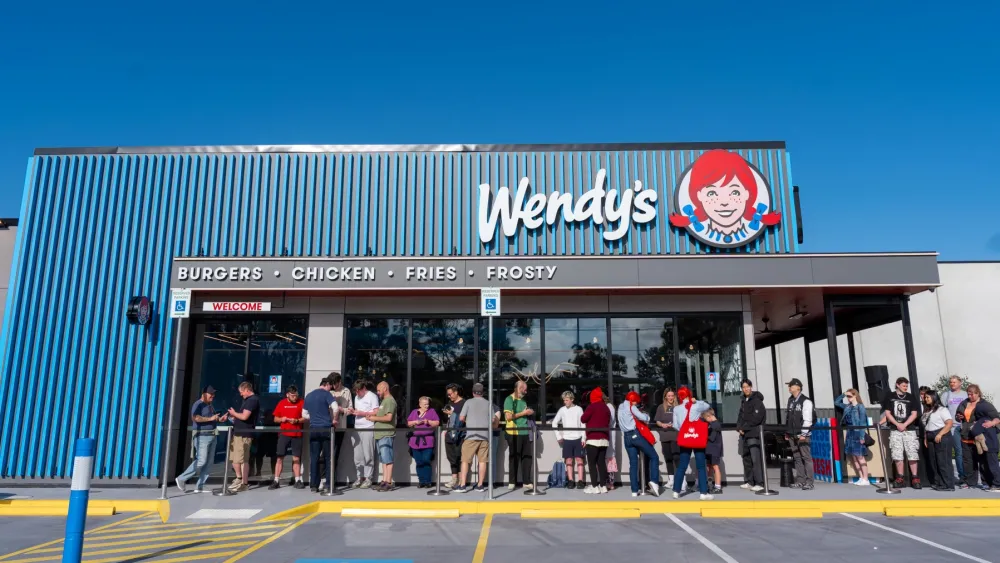
Quick-service restaurant (QSR) chains are expanding into supermarkets to reach consumers beyond their restaurant networks, using retail distribution to tap into at-home dining occasions and grow their reach across Australia.
Ramon Castillo, CEO of Zeus Street Greek, said the supermarket channel has helped the Australian Greek food brand reach more consumers as it expands its restaurant network.
“Woolworths have been an amazing partner. They've given us access to millions of Australians across the 800 locations in which we range our products in,” he said during a panel session at the QSR Media Asia Conference & Awards 2026.
Zeus Street Greek, which has grown from fewer than 40 restaurants to its 60th, sees grocery retail as a way to reach more consumers beyond its restaurant footprint.
“At the core of our mission as a business, we have been very focused on making great Greek food accessible to all Australians,” the chief executive said.
Castillo said the company had worked to differentiate its supermarket products from its restaurant offerings based on the occasions they serve, including cooking at home, picking up dinner, ordering takeaway, and dining in.
Zeus Street Greek began its retail journey with frozen spanakopita before expanding across ambient, fresh and frozen product ranges. Castillo said the company wanted its supermarket products to address specific occasions without confusing customers about what was available through its restaurants.
“At this stage, we've not seen any confusion or erosion that's material across the channels,” he said.
Gami Chicken is also using supermarkets to extend its reach, with Founder and Managing Director Jun Lee identifying retail and business-to-business distribution as ways to grow beyond the limits of its restaurant network.
Lee cited differences in consumer spending as one of the observations that shaped his thinking. He said consumers were willing to pay $25 to $30 for dessert but complained about meals priced at $14 to $15, which they considered expensive.
Lee also recalled that, although healthier food options had been discussed as a growing preference five years earlier, 90% of consumers were still buying fried chips. He said the company had been researching how consumer buying behaviour and core values were changing.
“I don't have 200 stores that I can reach out to every single part of Australia. I'm still developing brands. But I want to reach out to billions of Australians,” he said.
Lee said he considered increasing takeaway and delivery before looking at a broader way to reach consumers. He ultimately decided to pursue business-to-business (B2B) distribution and retail, with supermarkets providing another channel for the brand.
For Gami Chicken, the move into supermarkets does not mean offering a lower-quality version of its restaurant food. Lee said the company wanted to develop the best retail version of its products whilst maintaining a distinct restaurant experience. “We sell food. It has to be delicious.”
The brand started with its Korean fried chicken and best-selling soy garlic and sweet chilli sauces for retail. Lee said the company had to account for differences in regulations and sodium levels, which can affect taste.
“We actually did that, and in the restaurant, we also developed a lot more for in-experience. So, still the same products. Best version of retail, best version of the restaurant,” he said.